


AWD vs FWD: What’s the Difference?
Is all-wheel drive or front-wheel drive better for your driving needs? Are there any potential downsides of all-wheel drive that are worth considering. How about if all-wheel drive requires extra maintenance or upkeep? These are just a few of the most common questions that our team at Germain Honda of Ann Arbor is asked on a regular basis. We’ve created this all-wheel drive vs front-wheel drive comparison guide that will answer all of these questions and more! Discover all the advantages and benefits of all-wheel drive and decide if they are worth the upgrade for your personal driving needs!
How Does All-Wheel Drive Work?
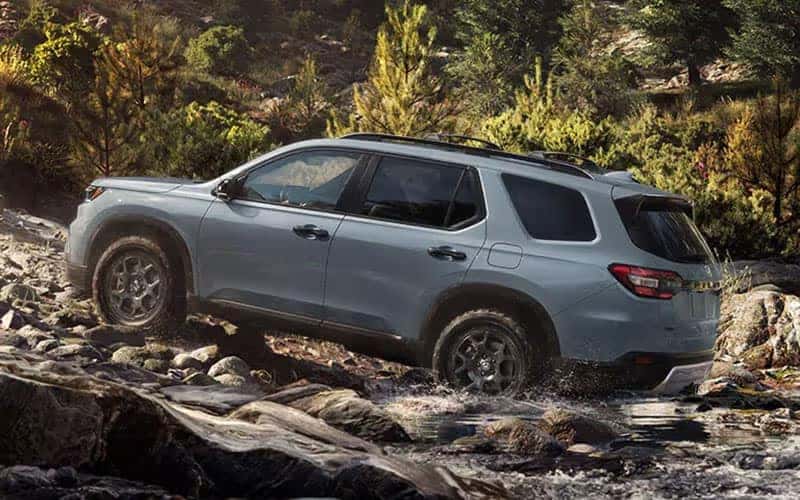
At the most fundamental level, the primary advantage of an all-wheel drive system is the fact that it’s able to send power to all four wheels of the vehicle. This unique ability allows you to maintain traction and prevent wheel slippage in wet, snowy, or icy conditions like those you’ll encounter on a regular basis here in Michigan. So how exactly does all-wheel drive work?
Most all-wheel drive systems, including those engineered by Honda, feature a drivetrain that includes a front, rear, and center differential in order to supply power to all four wheels of a vehicle. AWD systems are also available in both part-time and full-time variants, both of which are engaged automatically by the vehicle based on the road surface conditions.
How Does AWD Compare to FWD?
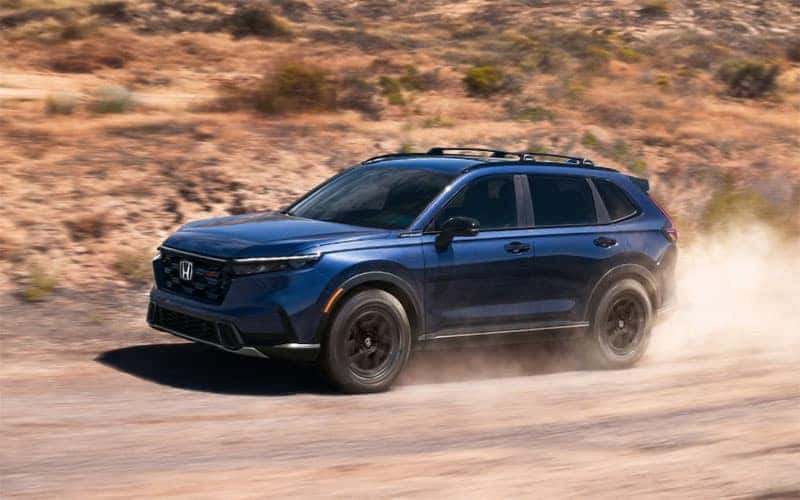
Now that we’ve covered exactly how all-wheel drive (AWD) works, you might be curious about how it compares to front-wheel drive (FWD). Just as the name would suggest, front-wheel drive vehicles are driven by powered drive wheels located at the front axle of the vehicle. The rear wheels are not powered on front-wheel drive models.
While there’s no denying that all-wheel drive offers plenty of advantages over front-wheel drive including enhanced traction and grip, FWD models are still plenty practical for daily driving. Modern Honda FWD models come standard with key features like vehicle stability assist (VSA) and traction control that will reduce power to the drive wheels in the event that wheel slippage is detected.
Still not sure which system is right for you? Check out this quick list of advantages for each type of drivetrain listed below.
All-Wheel Drive Advantages
- Unmatched traction, grip, and stability in slippery conditions
- Superior resale value thanks to growing demand for AWD
- Better confidence when driving in harsh weather conditions
Front-Wheel Drive Advantages
- More affordable due to lower starting prices and greater availability
- Higher fuel economy due to fewer drive wheels
- Reduced tire wear and drivetrain component wear
Honda AWD vs FWD – Frequently Asked Questions
Is all-wheel drive more expensive than front-wheel drive?
In the vast majority of instances, all-wheel drive is an added-cost option compared to front-wheel drive. In addition to a higher upfront cost, it’s also important to remember that choosing an AWD model also means paying a slight MPG penalty and needing to replace your tires more frequently. However, AWD vehicles tend to have superior resale value compared to their FWD alternatives to help mitigate the added ownership expense.
Do I need all-wheel drive to stay safe in the snow?
All-wheel drive is certainly a smart option to consider if you regularly drive in areas where snow can impact your commute. Many buyers consider the added cost of all-wheel drive to be worth the added stability and confidence that the feature provides. However, front-wheel drive vehicles are still plenty capable in the snow themselves. Regardless of which drivetrain you choose, there’s no replacement for safe snow driving habits including increased following distance, reduced speed, and gentle braking.
Are all-wheel drive vehicles more expensive to maintain?
AWD models require a bit more maintenance and care compared to FWD. All-wheel drive models generally experience greater tire wear since all four wheels are powered on occasion. As such, they may require more frequent tire rotations and more frequent tire replacements. Other components including front and rear differentials and transfer cases will require service to replace fluid or other components as the vehicle ages.